Welcome to Epic Cloth - An affordable and good online clothing store!

How to Build a Circular Wardrobe in 30 Days
Learn how to build a circular wardrobe in 30 days with this step-by-step guide for sustainable shoppers ready to shop smarter.

Key Takeaways: Learning how to build a circular wardrobe means shifting from a “buy and discard” mindset to one where every piece you own has a plan for its entire life cycle. In 30 days, you can audit what you have, rehome what you don’t need, identify gaps, and fill them with quality pieces that last. This guide breaks the process into weekly milestones so it never feels overwhelming. The result is a wardrobe that costs less to maintain, produces less waste, and actually makes getting dressed easier every single morning.
What Is a Circular Wardrobe?
A circular wardrobe is built on the principle that clothing should stay in use for as long as possible — repaired, restyled, resold, or recycled rather than thrown away. Circular fashion borrows from circular economy thinking: design out waste, keep products and materials in use, and regenerate natural systems.
For the sustainable shopper, this means buying less but buying better, choosing pieces that can be worn multiple ways across multiple seasons, and having an exit strategy for everything in your closet. When we help clients build wardrobes from scratch in the studio, the most satisfied ones are always those who’ve embraced this circular approach — because they stop spending money on things that end up unworn.
Circular fashion is gaining serious mainstream momentum. For deeper background, the Ellen MacArthur Foundation’s fashion resources are the gold standard, and Good On You’s circular fashion guide is excellent for practical brand-level guidance.
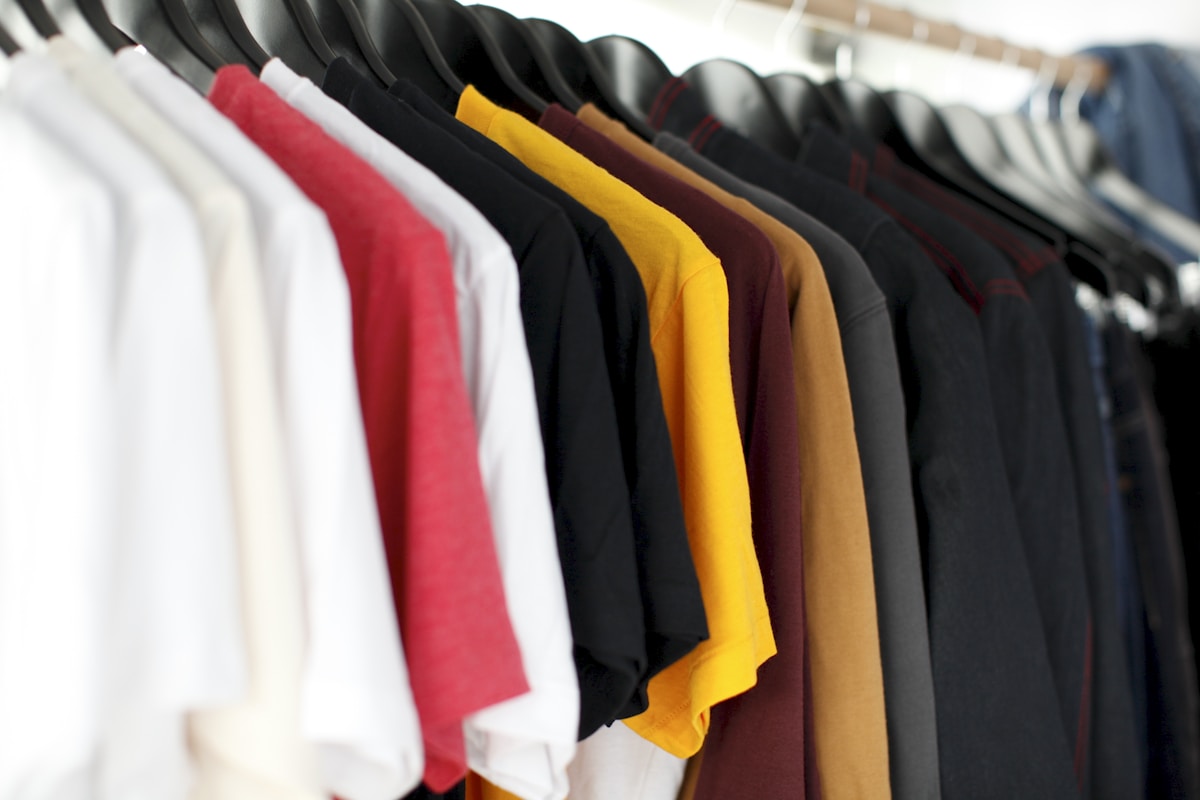
How to Build a Circular Wardrobe: Your 30-Day Plan
Week 1: The Great Closet Audit (Days 1–7)
Pull everything out. Every single item. This is the most uncomfortable part of the process and also the most necessary. Sort into three piles: Keep, Rehome, and Repair. Keep only pieces you’ve worn in the last 12 months or that have a specific upcoming occasion. Rehome anything in good condition you no longer reach for — think resale apps, clothing swaps, or donation. The Repair pile is for pieces you love but that have a broken zip, a loose button, or a small tear.
A common mistake we see in this phase is keeping things “just in case.” Circular wardrobes are built on intentionality, not accumulation. If it hasn’t served you in a year, it probably won’t.
Week 2: Repair, Rehome, and Recycle (Days 8–14)
Execute the decisions from Week 1. Drop off donations, list items on resale platforms like Depop, ThredUp, or Poshmark, and take your Repair pile to a local tailor or tackle the simple fixes yourself. This week is about completing the loop — making sure your unwanted pieces go somewhere useful rather than a landfill.
For pieces that are truly beyond repair, research textile recycling programs. Many brands now offer take-back schemes, and programs like H&M’s garment collection initiative or local municipal recycling centers can handle end-of-life textiles responsibly.
Week 3: Identify the Gaps and Set the Rules (Days 15–21)
Now that your wardrobe contains only pieces you actually wear, map the gaps. Are you missing a versatile neutral layer? A pair of quality trousers that work from desk to dinner? Write a specific shopping list — not a wishlist, a list of functional gaps. This is where the circular wardrobe diverges most sharply from fast fashion impulse shopping.
Set your personal circular rules before you buy anything. Examples: only buy something new if you can name three outfits it completes. Never buy a trend piece unless you can wear it at least two seasons. Research a brand’s sustainability credentials before you hand over your card.
For ideas on building a tight, trend-aware edit, our guide on Gen Z Capsule Wardrobe Trends Reshaping Fashion pairs well with this step. And for understanding the bigger picture of where sustainable fashion is heading this year, read our feature on Circular Fashion Is Officially Mainstream in 2026.

Week 4: Shop Intentionally and Set Up Maintenance Habits (Days 22–30)
With your gap list in hand, shop with precision. Prioritize natural fibers like organic cotton, linen, and wool — they biodegrade, they last longer, and they feel better on your skin. Check care labels before you buy: pieces that require dry-cleaning only are harder to maintain and more likely to get neglected. And whenever possible, explore secondhand first for the items on your list.
The final days of Week 4 are about building the habits that keep your circular wardrobe running. Schedule a seasonal closet review every three months. Keep a running “to rehome” bag in your wardrobe so decision fatigue doesn’t cause unwanted pieces to pile up again. Learn two or three basic mending techniques so minor damage doesn’t sideline pieces you love.
Pro Tips for Building a Circular Wardrobe That Lasts
The secret to a truly circular wardrobe is thinking about end of life before you buy. Ask yourself: when I’m done with this, where does it go? If it’s a trend piece made from mixed synthetic fibers that can’t be recycled, it will likely end up in a landfill. If it’s a natural fiber basic from a brand with a take-back program, it has a future beyond your closet.
Care matters more than most shoppers realize. Washing clothes at lower temperatures, air-drying instead of tumble-drying, and storing pieces properly can double the lifespan of a garment. The most sustainable item in your wardrobe is always the one you keep the longest.
Invest in a steamer. A garment steamer removes wrinkles, refreshes fabrics between washes, and extends the time between laundry cycles — reducing wear on fibers and saving water. It’s one of the single best tools for a sustainable wardrobe that nobody talks about enough.
Shop Pieces Built for the Long Haul
Express Clothing has been a trusted name in online clothing for women and men, offering stylish, high-quality apparel designed to last. Our focus on sustainability runs through everything — we use 100% ethically grown US cotton, ensuring comfort and responsibility in every piece. As one of the premier online clothing boutiques, we also provide custom design options, so you’re investing in clothing tailored to fit your unique style and wardrobe vision. When you’re filling the intentional gaps in your circular wardrobe, start here.
FAQ: How to Build a Circular Wardrobe
How long does it take to build a circular wardrobe?
The initial 30-day reset gets the structure in place. After that, it becomes an ongoing practice. Most people find that after two or three seasonal reviews, the habits become second nature and the process takes almost no active effort.
Do I have to throw everything away and start over?
Absolutely not. A circular wardrobe starts with what you already own. The audit process helps you reconnect with forgotten pieces and find new ways to style them. Most people are surprised by how much usable wardrobe they already have once they properly edit.
Is a circular wardrobe expensive to build?
Building a circular wardrobe is designed to reduce spending over time, not increase it. You’re buying fewer but better pieces, and the resale value of quality items means you can often fund new purchases by rehoming old ones. The upfront investment per item may be higher, but the cost-per-wear goes down significantly.
What’s the difference between a circular wardrobe and a capsule wardrobe?
A capsule wardrobe is about having a small, curated set of versatile pieces. A circular wardrobe is about the lifecycle of those pieces — how they’re made, maintained, and eventually recycled or repurposed. The two concepts complement each other beautifully, and many sustainable shoppers combine both approaches for maximum intentionality.
How do I know if a brand is truly sustainable?
Look for transparency: brands that share their supply chain, certifications (like GOTS for organic textiles or Fair Trade), and environmental commitments. Be cautious of vague “eco-friendly” claims without specifics. Tools like the Good On You app rate brands on people, planet, and animals so you can shop with confidence.