Welcome to Epic Cloth - An affordable and good online clothing store!

How to Dress Kids for School Without the Struggle
Discover how to dress kids for school without the morning struggle. A stylist's practical system for stress-free, comfortable, and kid-approved school outfits.

How to dress kids for school without a struggle comes down to three things: kid-approved comfort, parent-approved practicality, and a morning routine with fewer decisions. Kids resist school outfits when they feel uncomfortable, itchy, or like they have no say in what they wear.
The solution is building a small, rotating wardrobe of pieces that are easy to put on, durable enough for a full school day, and simple enough to mix and match. This guide walks you through exactly how to make that happen.

Table of Contents
What Does “How to Dress Kids for School” Really Look Like?
School dressing is one of the most underrated daily challenges for parents of young kids. The American Academy of Pediatrics notes in its school-age development guidance that children between ages 5 and 10 are actively developing autonomy and will push back against choices that feel forced. That morning outfit battle? It is developmentally normal. And according to Parents Magazine’s child development coverage, giving kids limited choices in what they wear actually reduces conflict and builds confidence at the same time.
The solution is a system, not a single outfit. Here is how to build one that works.
How to Dress Kids for School: Practical Tips That Actually Work
1. Build a “Yes Drawer” with Pre-Approved Pieces
The single most effective thing you can do is create a dedicated drawer or section of the closet that contains only school-appropriate outfits. Everything in that drawer is pre-approved by you, and your child gets to choose from within it. This eliminates the “can I wear my costume?” conversation entirely. Keep six to eight complete outfits rotating through so laundry day is never a crisis. When we help parents style kids’ wardrobes, the “Yes Drawer” concept is always the first recommendation because it creates boundaries without removing their sense of control.
2. Prioritize Comfort Fabrics Above Everything Else
A child who is physically uncomfortable will not focus in class and will resist wearing that outfit again. The fabric matters enormously. Soft cotton is the gold standard for school-age kids: breathable, durable, easy to wash, and non-irritating against sensitive skin. Avoid anything scratchy, stiff, or with itchy labels. A common fit mistake we see is parents buying clothes based on how they look on the hanger rather than how they feel worn. Let your child feel the fabric before you buy it whenever possible.
3. Stick to Easy-On, Easy-Off Designs
Elastic waistbands, pull-on styles, velcro closures for younger kids, and zip-up tops are your best friends. Anything that requires fine motor skills your child may not have mastered yet, think tiny buttons or complicated buckles, slows down the morning and adds frustration to both sides of the equation. As kids get older and those fine motor skills sharpen, you can introduce more complex closures. Until then, keep getting dressed as friction-free as possible.
4. Use a Capsule Approach for the School Week
Five bottoms, seven tops, and two pairs of shoes. That is genuinely all you need for a full school week with room for laundry delays. Choose bottoms in two or three neutral colors and tops in a mix of solids and simple prints that work with all of them. The secret to making this work without your child complaining the outfits are boring is letting them pick two or three tops they really love, even if the pattern is a little loud. Their sense of ownership over those pieces means they wear everything more willingly.
5. Prep Outfits the Night Before
This is the tip that saves the most morning minutes. Lay out the next day’s outfit together as part of the bedtime routine, or let your child lay it out themselves from the Yes Drawer. When the outfit is already decided and visible, there is nothing to negotiate in the morning. Bonus: kids feel proud when they made the choice themselves the night before and are far more committed to wearing it.
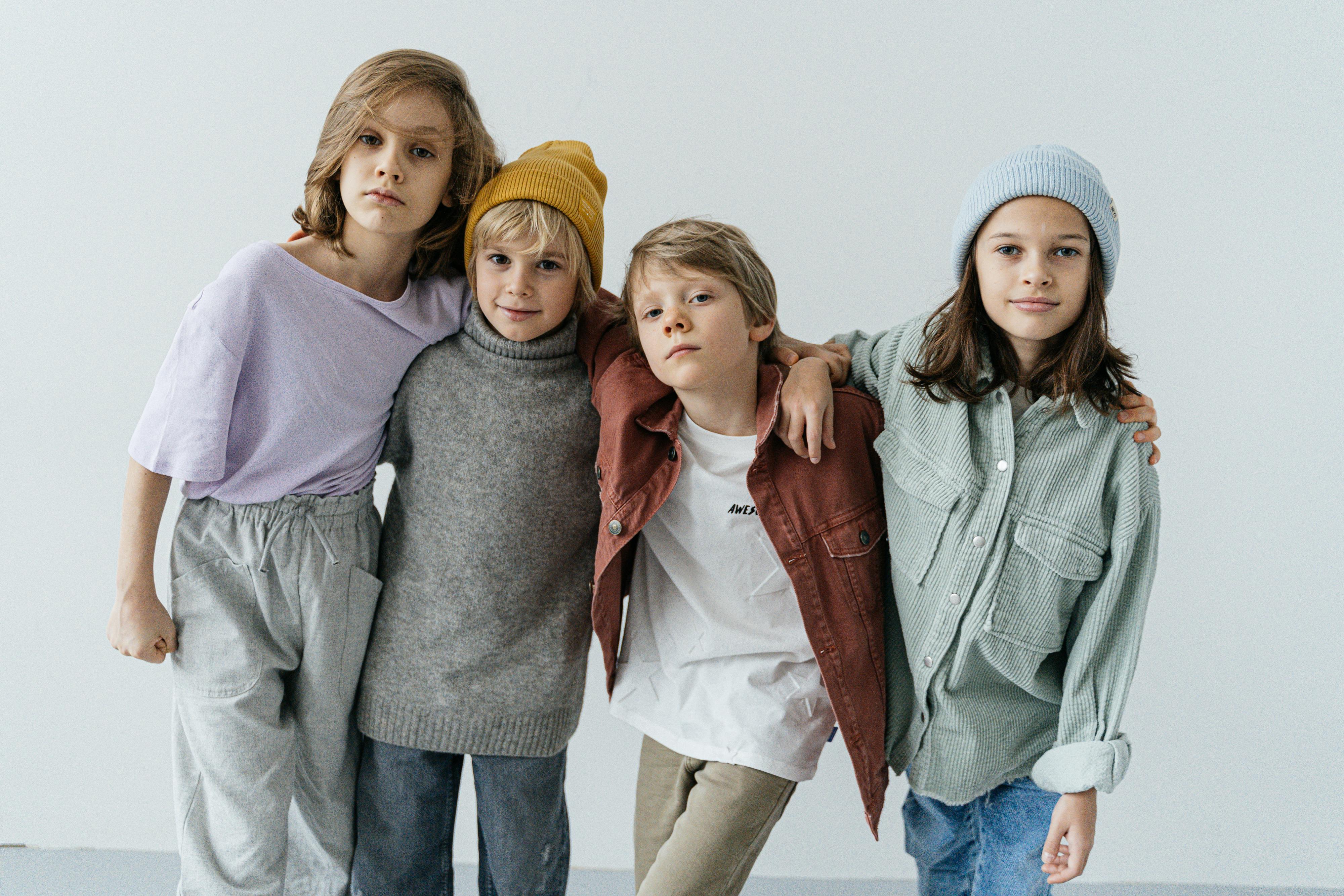
Stylist Pro-Tips
Buy one size up for fall. Kids grow fast and school clothes take a beating. Buying slightly larger at the start of the school year means pieces last through spring instead of being outgrown by December. Elastic waists and adjustable straps make this even easier.
Darker colors for younger kids. Paint, grass, and lunch happen. Dark navy, forest green, and charcoal hide stains far better than pastels or white. Save the lighter colors for casual weekends when a wardrobe change mid-day is easier to manage.
Let them express themselves in one piece. When we style kids’ wardrobes for editorial, we always include one piece per outfit that is purely about the child’s personality, whether it is a character top, a bold color, or a fun accessory. This one small concession dramatically reduces pushback on the rest of the outfit.
Invest in quality basics. Three great-quality tees will outlast ten cheap ones. The cost-per-wear on quality cotton basics for school is always lower in the long run because they survive the washing machine, the playground, and the inevitable art project.
expressclothing.co has been a trusted name in online clothing for women and men, offering stylish, high-quality apparel crafted from 100% ethically grown US cotton. For parents who care about what goes on their kids’ skin, that commitment to responsible materials matters.
Our custom design options also mean you can get pieces tailored to your family’s specific style, so school mornings feel a little less like a negotiation and a little more like a routine. Check out our full collection for quality basics the whole family will love.
FAQ: How to Dress Kids for School
How many outfits does a school-age child actually need?
Five to seven complete outfits is plenty for a standard school week. A capsule of five bottoms and seven tops gives you more than enough combinations without overcrowding the closet or overloading the laundry.
What fabrics are best for kids’ school clothes?
Soft cotton is the top choice for comfort, breathability, and durability. Cotton blends with a small percentage of elastane or spandex add stretch and movement, which kids need for a full active day. Avoid stiff synthetic fabrics that trap heat or irritate skin.
How do I get my child to wear what I choose without a fight?
Give them structured choice. Instead of picking for them, let them choose between two pre-approved outfits from the Yes Drawer. This respects their growing need for autonomy while keeping you in control of the parameters. Prepping outfits the night before also removes time pressure from the decision.
What shoes are best for school-age kids?
Supportive sneakers with velcro or easy slip-on designs for younger children, and lace-up sneakers once they have mastered tying. Closed-toe shoes are usually required for playgrounds and PE. Having one pair of casual sneakers and one pair of cleaner “school shoes” keeps both in better shape longer.
How do I shop sustainably for kids who outgrow clothes fast?
Buy fewer, better quality pieces in slightly larger sizes so they last longer. Look for brands that use natural, ethically sourced fabrics like organic cotton, which is gentler on young skin and the environment. Buying versatile basics that mix and match also means you buy less overall over the course of the school year.